
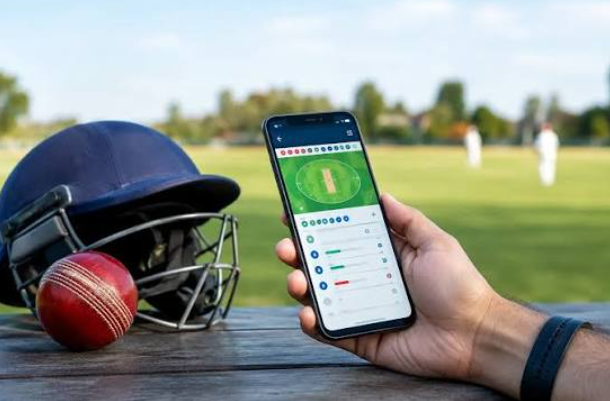

A cricket score can change in a fraction of a second. The information around it may take much longer to settle. A video feed can lag, a connection can drop during an update, and a transaction may still be awaiting confirmation after the screen has refreshed. These are separate events, yet a cramped mobile interface can make them look like one continuous stream. For developers and business owners examining live cricket products, the interesting question is not how often a number moves. It is whether the service tells visitors what that number represents, when it was recorded, and what action, if any, has actually been completed.
A Search Result Cannot Verify a Mobile App
A person searching for desi live betting app cricket may expect software that can be installed, but the phrase itself proves nothing about the delivery method. The linked Slot Desi address points toward a live-cricket wagering category; its present features and any downloadable app have not been independently verified. A responsive website can resemble an installed application, especially after a shortcut has been added to a phone’s home screen. That does not give it identical notification permissions, update procedures, or security arrangements. The first product question is therefore quite plain: is this a website, a progressive web app, or an application distributed through an identifiable publisher? A company should answer that on the product page rather than leave visitors to infer it from a search snippet.
A Ball and a Transaction Need Different Records
A ball-by-ball feed describes what happened in the match. An account record should describe what happened within the service. The distinction sounds obvious until both appear beneath the same scrolling scorecard. A wicket might arrive in a feed before a video viewer sees it. A financial action, where lawful, could have its own sequence of submission, acceptance, rejection, or settlement. Updating the cricket score cannot by itself confirm the status of that action. Good system design gives these events separate identifiers and timestamps, then displays statuses in terms people can understand. If something has not been confirmed, the interface should say so. Hiding an unresolved state behind an animated icon turns an engineering delay into a customer-service dispute.
A Weak Signal Tests the Interface Better Than a Demo
Mobile networks do not deliver a continuous stream of identical-quality connections. A phone can switch between Wi-Fi and cellular data, lose coverage, or reconnect after an app has been sitting idle. When this happens, the product has to decide what to display. Showing an old score as though it were fresh is misleading; erasing every piece of useful information is frustrating. A better arrangement labels the last successful update and makes the reconnecting state visible. It also avoids inviting the same account action twice because the user tapped again after receiving no confirmation. This is particularly relevant to services that combine live information with payments or sensitive account details. Developers should test interrupted connections and delayed responses as ordinary conditions, not as unusual exceptions that can wait until after launch.
What a Responsible Product Review Should Actually Examine
A glossy onboarding screen reveals very little about how a digital service behaves when something goes wrong. Reviewers need evidence from the less attractive corners of the product: the account settings, the activity history, and the help process. Users may judge a platform by its home screen, while operational failures tend to surface after a routine task has failed. An unanswered support request, a missing update timestamp, or an unclear password-reset procedure may tell more about the product than promotional screenshots. These checks cannot certify security or legal compliance. They can, however, reveal whether a business has documented basic responsibilities before inviting people to create accounts. A useful prelaunch inspection should cover four things:
- Update labels. Can a visitor tell when a score was last received, rather than assuming it reflects the latest delivery?
- Account history. Are actions recorded with understandable statuses and dates, instead of being reduced to an unexplained balance?
- Recovery procedures. Can an account holder regain access without giving a support agent a password or verification code?
- Operator details. Does the service identify the business responsible and explain how complaints are handled?
Compliance Belongs in the Product Brief
Even a well-engineered application cannot treat legality as a footnote. India introduced a prohibition on online money games and their advertising under the Promotion and Regulation of Online Gaming Act, 2025, with the associated 2026 rules taking effect on May 1. The restrictions matter to any business considering a cricket wagering product for Indian users, including services operated outside India. A founder should settle the permitted product category and geographic access before ordering payment integrations, writing marketing copy, or building an app-store listing. Otherwise, the development team can finish a technically polished service that cannot lawfully serve its intended market. For live cricket products, the practical starting point is to separate match information from account activity, verify how the service is delivered, test poor connections, and establish lawful scope before launch. Those decisions determine whether a fast interface is also an intelligible, accountable product.
